Skip to content

Nonprofit Organization Spotlights

This section features CPJ partner organizations engaged in juvenile justice work. Each spotlight shares practical insights, strategies, and lessons learned for building capacity, forming partnerships, and sustaining engagement in the field.

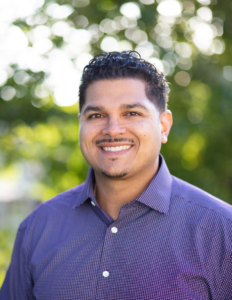
Louis Dooley

Philemon House Executive Director

Louis Dooley is a former prisoner with 2 Life sentences + 100 years. He now strives to plant Bible studies in Cook County Jail helping detainees learn how to study God’s Word.

Louis Dooley

Philemon House Executive Director

Louis Dooley is a former prisoner with 2 Life sentences + 100 years. He now strives to plant Bible studies in Cook County Jail helping detainees learn how to study God’s Word. He also goes into Chicagoland youth prisons where he works to introduce and further their knowledge of Jesus Christ. When he is not in jail or prison he mentors the young men living at Philemon House.

The goal of Philemon House is to disciple people who have been touched by incarceration. Philemon House is a Christ-centered ministry that supports current and former inmates in finding and living a Christ-pleasing life. We offer Bible study through in-person and correspondence courses in jails and prisons. Additionally, we provide a Discipleship House for young men, where they live with our Executive Director and his wife and receive training in spiritual growth, behavior, finances, education, and job skills.


Q. What do you see as Philemon House’s unique contribution to the space of juvenile justice advocacy in your community?

A: Philemon House’s unique contribution is its “life on life” approach within a home environment, operating from a single-family house rather than a traditional facility, creating a comfortable atmosphere where staff act as a “cool aunt or cool uncle”. The program focuses on teaching practical life skills and etiquette (e.g., how such as using a knife and fork, personal hygiene, and appropriate dress), emphasizing the reason for the behavior Education is prioritized above securing a job to reduce recidivism, utilizing assessments like Enneagram and Myers-Briggs to align youth with suitable career paths. In addition, the house is intentionally located in a low-crime area, 25–30 miles from Chicago, to minimize exposure to gang-related violence. Furthermore, the organization teaches financial literacy (budgeting, investing, giving, and saving) and uses an honor system with mandatory reading and real-world consequences to foster coping and planning skills.

Q: Philemon House is an official after-care placement with the state of Illinois. What was the process of establishing this partnership, and what strategies were most successful?

A: To become an official aftercare placement with the state of Illinois, Philemon House first had to secure licensure as foster parents through an external, non-governmental DCFS (Division of Child and Family Services) agency. This process was rigorous, requiring CPR training, months of online courses, meetings, and implementing extensive safety measures for the house, such as fire extinguishers and securing the backyard pond. Achieving foster parent status “checked all the boxes” for state placement. Key strategies for success involved maintaining quality over quantity by limiting residents to a maximum of three to ensure privacy and their own room. The most effective strategy was the unique, neighborhood-based facility itself. Correctional and probation officers visited the home and were highly impressed by the single-family home environment, leading Philemon House to be “bumped to the top of the list” for referrals. Additionally, pre-existing trust built with facility personnel over years of institutional visits helped expedite the official licensing process.

Q: What is one piece of advice you would give to an organization just beginning engagement in juvenile justice advocacy?

A: The most valuable piece of advice for a new organization is to create a healthy environment that adequately addresses the social needs of the young men. Based on his experience, Louis strongly advises organizations to never have only one person in the house at a time. The youth, often feeling like a “fish out of water” due to culture shock in the affluent, non-minority neighborhood, lacked sufficient social bandwidth with peers and would go “stir crazy” when housed alone. Although they were “street-mature,” they struggled to connect with local peers who had not shared their experiences. Bringing multiple young men with similar backgrounds together provides crucial, instant peer-to-peer relationships. This shared-experience bond is essential for their well-being, as times with more than one person in the house were consistently the “best times” for the program.

Rev. Carrie Leader

Houston reVision Chief of Operations

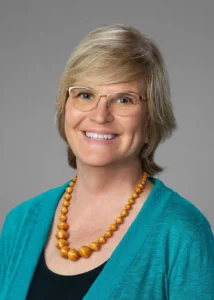
A deacon in the United Methodist Church (UMC), Carrie Leader is appointed full-time by the UMC Texas Annual Conference to reVision as the Chief of Operations.

Rev. Carrie Leader

Houston reVision Chief of Operations

A deacon in the United Methodist Church (UMC), Carrie Leader is appointed full-time by the UMC Texas Annual Conference to reVision as the Chief of Operations. Carrie has a BFA in studio art and a Master’s in education, both from UT Austin, and a Master’s in Church Ministry from SMU. She has previously worked as an elementary school teacher in Alief ISD and as a compliance officer and business manager with her husband Richard’s company, First Houston Capital.

Houston reVision’s mission is to break the cycle of juvenile justice involvement and homelessness among youth in Harris County by leveraging the power of community to connect them with mentors, positive peers, life-changing resources, and opportunities for artistic expression.  Everyone is transformed in this work: youths, mentors, and communities.  reVision seeks referrals for the disconnected youths in our communities and then, alongside them, build their social capital so that they may mature into successful adults, however they define what that looks like.


Q: What do you see as Houston reVision’s unique contribution to the space of juvenile justice advocacy?

For over a decade, Houston reVision has been a strong partner of Harris County Juvenile Probation Department. Rather than acting as an adversary, our approach has been to come alongside this institution with the hope that through our relationship, they might see a more favorable way of correcting what is often simply normal adolescent behavior. At the same time, we pursued many faith communities to participate in the work with us. A three-year study done by Baylor College of Medicine and funded with OJJDP monies demonstrated that the volunteer mentors from these communities were transformed in this work. These adults came to realize the worth of the juveniles through hearing their stories and building relationships with them. These volunteers then began telling a new narrative in their circles of influence. reVision strongly believes that this movement caused a radical shift in the 2018 election of juvenile judges. Houston and Harris County went from being one of the most punitive in the state of Texas to being a national model for juvenile justice.

Oye Waddell

Hustle PHX Founder and CEO

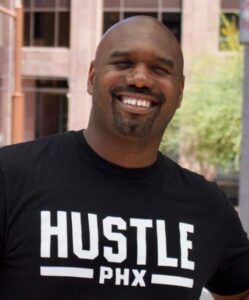
Oye Waddell is the Founder and CEO of Hustle PHX, where he leads with a visionary approach grounded in the belief in the inherent dignity of all people.

Oye Waddell

Hustle PHX Founder and CEO

Oye Waddell is the Founder and CEO of Hustle PHX, where he leads with a visionary approach grounded in the belief in the inherent dignity of all people. With a strong background in urban education and entrepreneurship, Oye is passionate about transforming low-income, inner-city communities across the United States through business development and economic empowerment.

In addition to his work with Hustle PHX, Oye serves as a pastor at Sojourn Village PHX and is a partner in New Culture, a company dedicated to supporting youth and young adults—particularly those aging out of the foster care system—with their mental, physical, and behavioral health needs. Oye lives in Phoenix, Arizona with his wife, Crys, and their four children.

The primary mission of Hustle USA  is to provide the intellectual, social, and financial capital to low-income, underserved entrepreneurs to start businesses that glorify God and serve their neighbor throughout the United States. Our goal is community development where we empower entrepreneurs in low income communities to support themselves, their families, and the broader community through providing job opportunities to others with low-income, low-wealth, and a lack of opportunity.


Q: What do you see as Hustle PHX’s unique contribution to the space of juvenile justice advocacy?

A: Hustle PHX’s unique contribution lies in its focus on purpose-driven entrepreneurship as a tool for transformation. Rather than only addressing behavior, the program helps youth build intellectual, social, and financial capital through business training, mentorship, and a youth-friendly, feedback-driven curriculum. By emphasizing real-world skills, strong volunteer support, and adaptability, Hustle empowers young people—especially those with economic-crime backgrounds—to develop leadership, responsibility, and a positive sense of identity as contributors to their communities.

Q: Most of Hustle PHX’s volunteer support comes from churches. What does it look like to engage a broad range of churches in the mission and work of Hustle PHX?

A: Hustle PHX engages a broad range of churches by connecting its mission to their call to serve the community, particularly justice-involved youth. It invites both church leadership and congregations to participate in “faith and work” by using their professional skills—not just traditional volunteer roles—to mentor youth, lead workshops, and support programming. Through experiences like local mission field trips and cross-denominational collaboration, Hustle activates business-minded individuals to invest their time, talent, and expertise in helping young people grow as entrepreneurs and contributors to their communities.

Q: You’ve indicated that a challenge for Hustle PHX has been forming a partnership with the Department of Probation. How do you maintain your identity as a faith-based organization while pursuing partnerships with a range of stakeholders?

A: Hustle PHX maintains its identity as a faith-based organization by keeping its mission, values, and faith-centered curriculum at the core of its work. Through creative approaches—like integrating biblical principles into practical teachings—it remains authentic while offering programs that are accessible to youth from all backgrounds. At the same time, Hustle builds partnerships by focusing on shared goals with stakeholders, such as supporting youth development and reducing recidivism. Our organization is intentional about preserving the integrity of our programming and is willing to walk away from partnerships that would require compromising our core beliefs.

Q: What is one piece of advice you would give to an organization just beginning engagement in juvenile justice advocacy? 

A: Start by learning the juvenile justice system and building strong relationships with the community and key stakeholders. Approach the work with a trauma-informed mindset, openness, and a genuine heart to serve. Focus on understanding real needs so you can provide meaningful, long-term support through mentorship, skill-building, and consistent engagement that leads to lasting transformation.

Chris Yancy

JIFF Executive Director

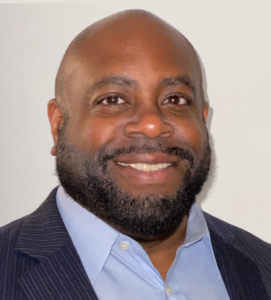
Chris Yancy is the Executive Director of JIFF, a faith-based organization in Memphis focused on supporting youth impacted by the juvenile justice system.

Chris Yancy

JIFF Executive Director

Chris Yancy is the Executive Director of JIFF, a faith-based organization in Memphis focused on supporting youth impacted by the juvenile justice system. With a commitment to restorative justice, Chris leads initiatives that combine mentorship, education, workforce readiness, and community partnerships to help young people thrive. Under his leadership, JIFF has built strong coalitions with schools, churches, corporations, and service providers, earning recognition for innovative collaborations such as the award-winning partnership with the Memphis Brooks Museum of Art. Chris is passionate about empowering youth and strengthening the community through collaboration, equity, and intentional programming.

JIFF (Juvenile Intervention & Faith-Based Follow-Up) is a Memphis-based faith-driven nonprofit organization dedicated to supporting youth and families impacted by the juvenile justice system. JIFF provides mentorship, education support, workforce readiness programs, and therapeutic services while partnering with schools, community organizations, and corporations. The organization emphasizes restorative justice, community engagement, and evidence-based programming, helping young people build skills, resilience, and pathways to long-term success.


Q: What do you see as JIFF’s unique contribution to the space of juvenile justice advocacy in your community?

JIFF’s unique contribution is our ability to bridge faith, community, and systems in a way that is both relational and results-driven. We create safe, supportive environments for youth impacted by the juvenile justice system while collaborating with schools, courts, and service providers to address root causes and remove barriers to long-term success.

As a faith-based organization, we are grounded in restoration, dignity, and second chances. We pair that foundation with practical programming such as mentorship, education support, workforce readiness, and life-skills development. A strong example of our collaborative approach is our partnership with the Memphis Brooks Museum of Art, which provides art therapy experiences for some of our youth. This partnership was recently recognized as “Partnership of the Year” at the National Mentoring Awards presented by the Memphis Grizzlies Foundation—an affirmation of how creative, cross-sector collaboration can produce meaningful outcomes for young people.

Q: JIFF has a wide array of partners, spanning corporations, community organizations, and churches. What do you look for when establishing these partnerships and why?

We look for partners who share a commitment to youth development, equity, and long-term impact. Alignment in mission and values is essential, along with transparency and accountability to the community.

We prioritize partners who bring complementary strengths—whether resources, expertise, funding, volunteers, or access to opportunity. Our most successful partnerships are built on trust, clear communication, and a shared vision for improving outcomes for youth rather than short-term or transactional goals.

Q: What is one piece of advice you would give to an organization just beginning engagement in juvenile justice advocacy?

Do not be complacent—there is always room to improve and deepen your impact. Juvenile justice advocacy requires continuous learning, intentional staff training, and a commitment to being a strong community partner.

Organizations should listen closely to those directly impacted, stay informed about system and policy changes, and build collaborative relationships early. Sustainable impact comes from humility, accountability, and a long-term commitment to the young people and families you serve.