Public justice
What does justice require of government?
Public justice helps us understand the responsibilities of government, citizens, and institutions—and how each can contribute to the common good.

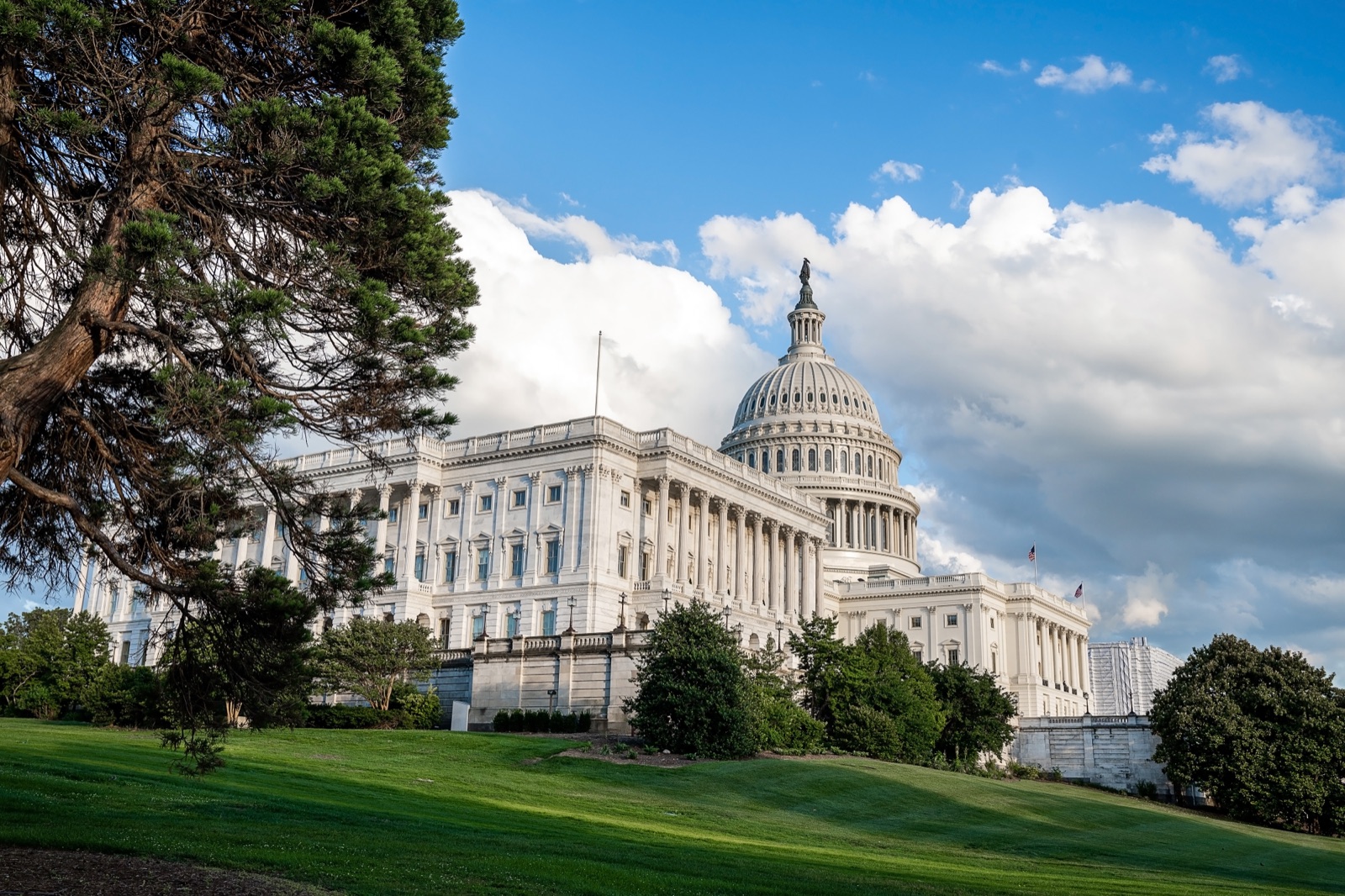
What is Public Justice?
Public justice is CPJ’s framework for what government is called to do: uphold a just public order in which people and institutions can fulfill their God-given responsibilities.
Government has an essential but limited role. It should protect the common good, uphold impartial laws, restrain injustice, and create the conditions in which families, churches, schools, businesses, and other institutions can flourish.
Public justice asks two questions
- What is government responsible for?
- What responsibilities belong to citizens and other institutions?
Principles for pursuing the common good
CPJ draws on a Christian, nonpartisan tradition that recognizes government’s distinct calling, the responsibilities of other institutions, and our shared responsibility for public life.
Government should govern impartially
Principled pluralism
Government should protect the legitimate freedom of people and institutions across deep religious and philosophical differences without favoring one set of convictions.
Institutions have distinct callings
Sphere sovereignty
Families, churches, schools, businesses, and government each have their own responsibilities and authority. Justice requires recognizing and respecting those differences.
Good can be found across difference
Common grace
God’s goodness is at work beyond the church, making genuine cooperation with people of different faiths and convictions possible.
Faith speaks to every part of public life
Racial Justice and the Neo-Kuyperian Inheritance
Christian faith calls us to pursue justice across institutions and to confront patterns—including racial injustice—that prevent people and communities from flourishing.
Guidelines and Principles
Explore CPJ’s normative principles for citizenship, government, institutions, and policymaking.
A framework for living together well
Public justice offers a constructive way to engage public life without reducing every responsibility to government—or leaving government indifferent to injustice.
It clarifies responsibility
Citizens and leaders can better discern what government should do and where other institutions must be free to act.
It protects pluralism
People and organizations with different convictions can contribute to public life without surrendering their distinct identities.
It directs us toward justice
Public debate can move beyond partisan wins toward policies and practices that serve people, institutions, and the common good.
Public justice in practice
CPJ applies this framework by forming people, developing public leaders, and shaping policy across real questions facing communities and institutions.
Equip citizens
Resources and experiences help Christians understand their civic responsibilities and participate thoughtfully in public life.
Develop leaders
Fellowships and learning communities prepare emerging and established leaders to serve with wisdom and integrity.
Shape policy
Research, recommendations, and convenings advance policies that respect institutions and promote the common good.