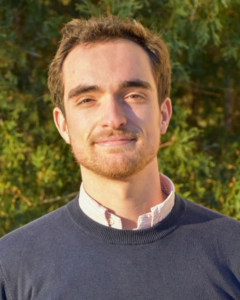
 Jonathan Porteous is a student at Wheaton College, IL majoring in cultural anthropology and urban studies and pursuing a certificate in Human Needs and Global Resources (HNGR). Born in Johannesburg, South Africa, he mostly grew up near Boston, MA and has also lived in rural New Jersey and southern Florida. He followed a vocational high school track and spent a few wonderful and formative years working as an equine professional in high performance sport. He stepped back from this work to allow for a time of discernment and travel, spending time at places like L’Abri Fellowship in England, which eventually led him to college. He is interested in the development and function of educational ecosystems and their formational effects, and hopes to pursue graduate studies related to these topics following his undergraduate years. Jonathan is an alumnus of Wheaton in Chicago, an experiential urban studies program, and was the recipient of the 2025 Wheaton College Global Scholar Award.
Research Question: What approaches are organizational and institutional networks on Chicago’s South Side using to support the vocational and educational formation of boys and young men, how effective are these efforts, and what policy gaps or disparities affect positive prosocial development?
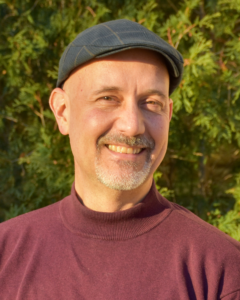
Brian Howell, Ph.D. is Professor of Anthropology at Wheaton College (IL) where he has taught since 2001. He is the author of several books, including Short Term Mission: An Ethnography of Christian Travel Narrative and Experience (IVP Academic, 2012) and Introducing Cultural Anthropology: A Christian Perspective (with co-author Jenell Paris, [Baker Academic 2019]). He has numerous articles and book chapters on issues such as ethnographic perspective and theory, theology and anthropology, and race in the United States. In addition, he regularly teaches on topics of gender and masculinity, travel and tourism, and global indigeneity. For the past four years he has studied improv and now regularly teaches and coaches at Westside Improv Studio in Chicagoland. He is married to Marissa Sabio, and has three children, Hannah, Sam and Ben.

 The Hatfield Prize is awarded annually to three student-faculty pairs. Recipients conduct research on social policies that impact vulnerable children, families, and communities, and explore the impact of these policies in their local communities. This semester-long research project culminates in three policy reports that make recommendations for both government and civil society institutions in contributing to policies that promote flourishing communities. The Prize honors the legacy of the late Senator Mark O. Hatfield, who served as a United States senator from Oregon for three decades. Hatfield was known for his principled Christian faith and for his commitment to working across differences to find common ground.
 Margot Kapic
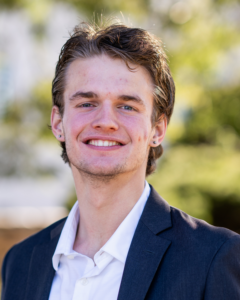 Michael Mawhinney
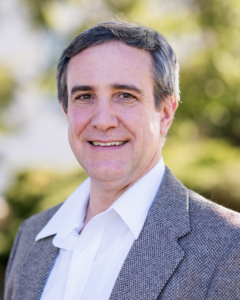 Lance Wescher, Ph.D. is an Assistant Professor of Economics and the Chairman of the Department of Economics and Community Development at Covenant College. He also serves as the US Economic Development Specialist and is the Director of the IDA Pilot Program for the Chalmers Center for Economic and Community Development at Covenant College. Dr. Wescher earned his B.A. in Economics with a minor in Theology from Wheaton College and an M.A. and Ph.D. in Economics from the University of Notre Dame. Lance has worked in banking with Wells Fargo and Company and consulting with Hewitt Associates. His areas of research include Labor Economics, Health Economics, Pensions and Finance. Prior to coming to Covenant College, he taught Economics at Wheaton College.
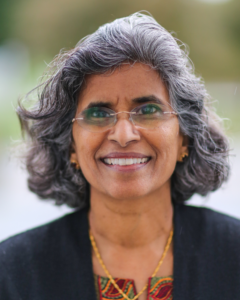 Ivy George, Ph.D.