This article is part of Better Together — a storytelling series from the Center for Public Justice highlighting how faith-based organizations have partnered with government to see their communities flourish.
It’s troubling but far too common.
In many cities across the United States, churches struggle to partner with one another, and at times, even contend for congregants, resources, and recognition. Surprisingly, this happens with churches who share the same denominational affiliations, and, of course, with congregations who operate in vastly different traditions.
But what if it didn’t have to be this way?
Steve King, the former lead pastor of Cherrydale Baptist Church in Arlington, VA, envisioned something different. In the late 1990s, Steve started gathering pastors every Wednesday morning from across Arlington County. These gatherings, known as the Band of Shepherds, were a time for pastors to build relationships with one another, share their challenges, and pray together. Steve would often say, “We don’t compete but complete one another.”
Years later in 2007, Pastor Scott Seaton and his family moved from Atlanta to Arlington to plant Emmanuel Presbyterian Church. Quickly into his church planting journey, Scott found himself joining King’s group of pastors for community and support. As Scott sat around the table, he had a gnawing sense for something new to be birthed out of this group. Scott wondered out loud to others:
“What if the connections developing between these pastors could extend beyond the walls of the church into a partnership together for the sake of serving Arlington County?”
Scott’s question led to an initial service project, which was the beginning of the work now known as Arlington Bridge Builders. Recently, the Center for Public Justice sat down with Scott Seaton, the Executive Director for Arlington Bridge Builders, for our series Better Together to learn more about their work as a faith-based organization.
Although the work happened organically for many years, Arlington Bridge Builders (ABB) officially became a 501(c)3 in 2014 with a vision to bring flourishing to the place and people of Arlington County through community service, prayer, and church collaboration. As a network, ABB crosses denominational and ethnic lines to facilitate collaboration between Baptist, Anglican, Presbyterian, Pentecostal, Christian and Missionary Alliance, Lutheran, Methodists, Coptic, and Congregational churches.
For Scott, this work of seeing different churches working together is a realization of a prayer Jesus prayed in John 17, which was for Christians to be united as one and to be brought to complete unity (John 17:20-23). In reflecting on creating a coalition of diverse churches, Scott said, “We do need each other. And God intentionally made us incomplete. I need to see God from a different perspective because he made us theologically different, socially different, culturally different, and ethnically different. People bring something to the table that I lack.” Paraphrasing the Dutch theologian Herman Bavinck, Scott continued by saying, “God is so vast and so big that when he images himself, he necessarily images himself not just in one person or ethnicity but across cultures and generations.”
Although ABB still hosts a monthly gathering for lead pastors, its work is truly oriented towards collectively blessing the county in a variety of ways, including serving immigrants, alleviating poverty through their food pantry, and empowering vulnerable children. This past summer, ABB hosted a Vacation Bible School in partnership with multiple churches for kids in several low-income neighborhoods. Programs like these are essential for working parents across the county as they not only provide inexpensive child care but are safe environments where their kids will be loved, seen, and supported throughout the whole week.
ABB has a continuing desire to see vulnerable youth in their community flourish. They currently facilitate a faith-based after school program called Bridge Kids in partnership with Mission NOVA. This initiative was birthed out of ABB listening closely to the felt needs of the county through a community survey. ABB worked closely with Arlington officials for Bridge Kids to be an officially licensed after-school program for local elementary students. It was a strenuous process, including working with county and state government over many months and securing letters of recommendation from two neighborhood associations.
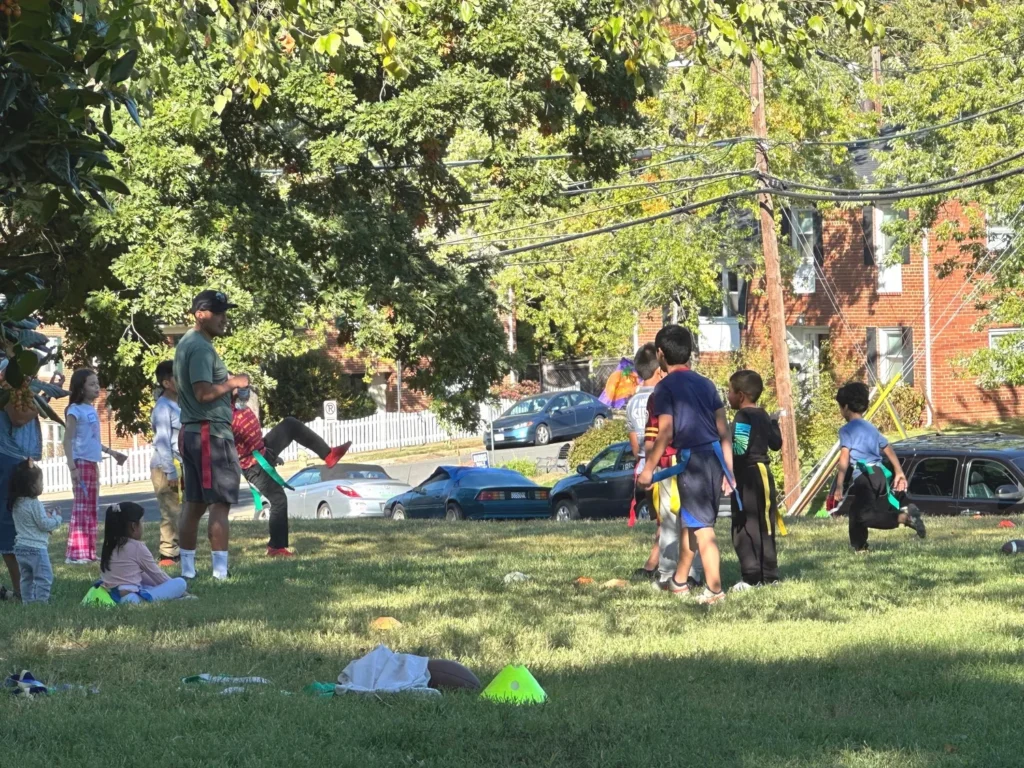
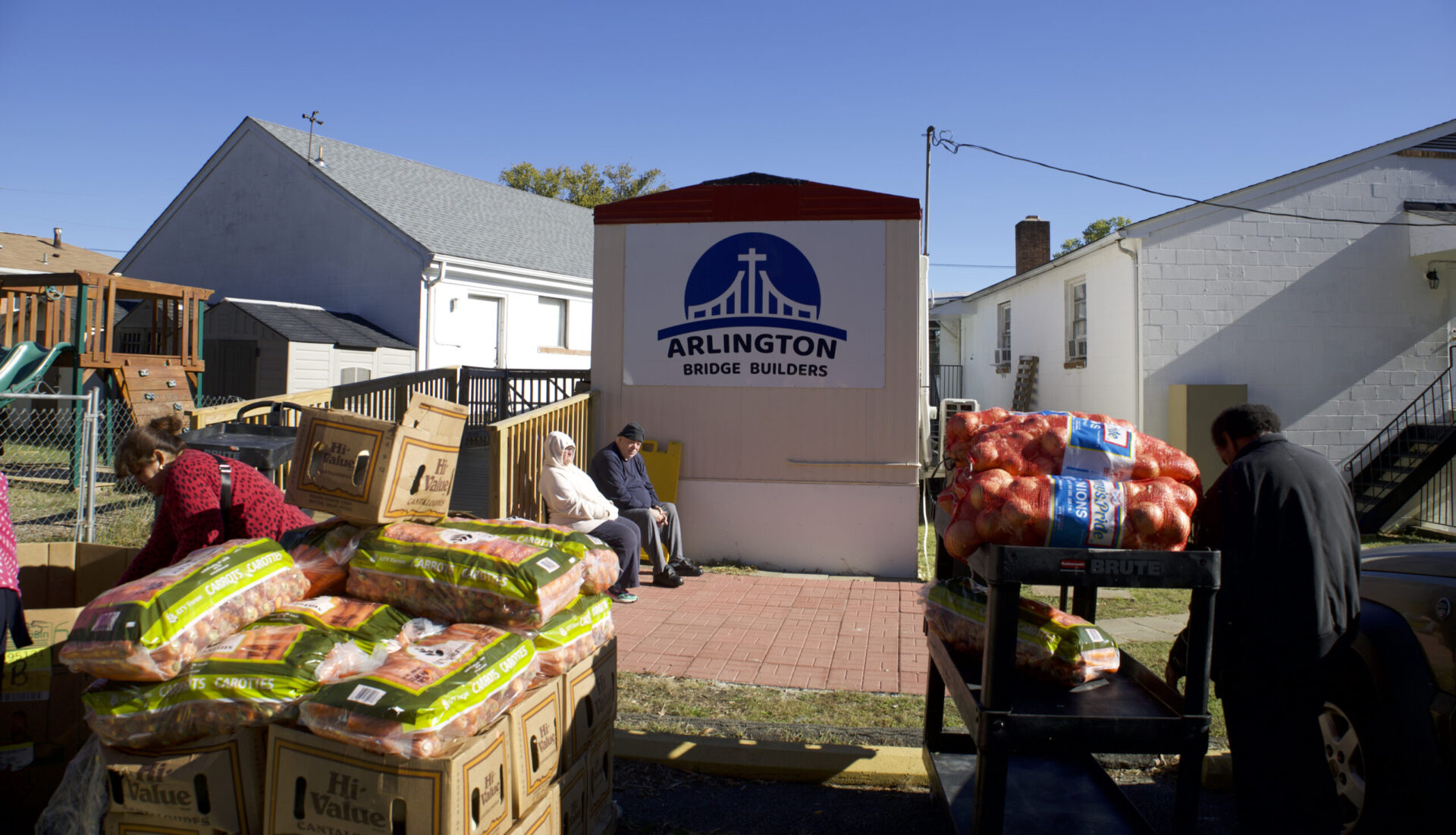
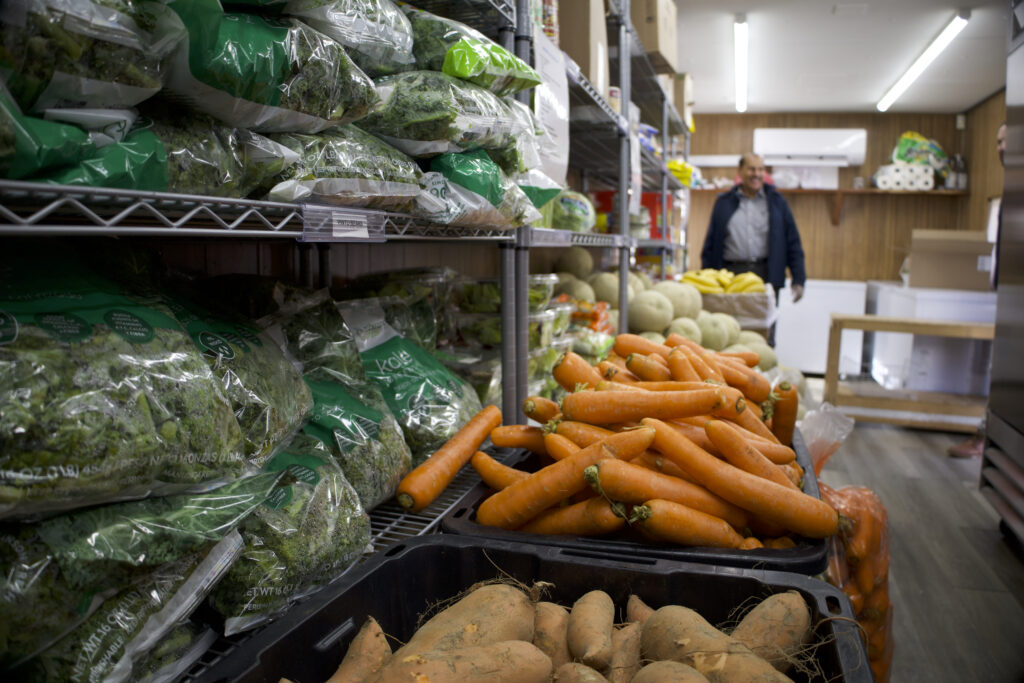
In addition to the work of Bridge Kids, ABB also has a flourishing food pantry that serves over 1,000 residents each week. Recently, ABB was the beneficiary of a considerable grant from Arlington County to purchase a utility van that will be used to transport food to the pantry to continue serving vulnerable neighbors.
For nearly 20 years, a local church, Christ Church of Arlington, partnered with Arlington County government to host an annual Turkey Trot on Thanksgiving morning, where 100% of the net proceeds went towards caring for vulnerable residents through community partners. Different organizations can apply to be a beneficiary of the Trot’s proceeds with 10 partners being selected for each year’s run. Excitingly, ABB has been asked this year to be the primary host of this event helping with registration, beneficiary selection, proceed distribution, and coordination between all the layers of government and first responders needed to make this event possible. Interested in registering? You can find the details here.
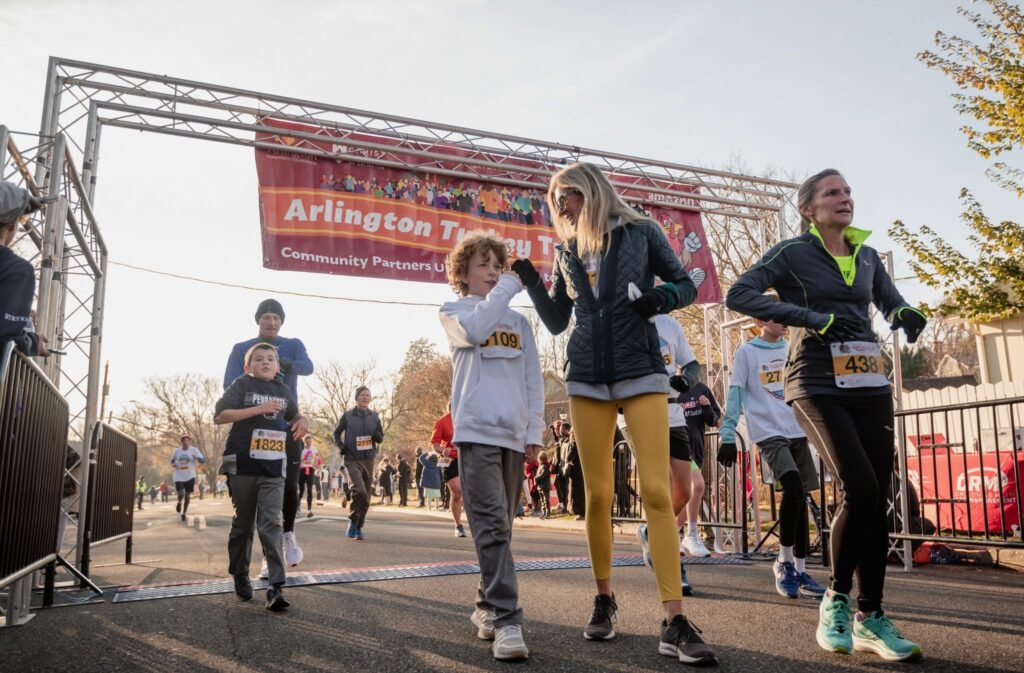
As Scott Seaton considers what the Turkey Trot means for the Arlington community, he is excited about connecting race participants with community service partners through a new program launching in early 2026 called the “Extra Mile.” The goal of this program will be to encourage community engagement on issues affecting Arlington’s vulnerable residents, by connecting race participants and church members with the various nonprofit beneficiaries of the Turkey Trot (faith-based and secular) who are addressing these concerns in tangible ways
Over the last decade, ABB has developed healthy relationships not only with churches and nonprofit organizations but also a variety of governmental agencies. When asked to share any wisdom for other faith-based organizations seeking to partner with government in their community, Scott said,
“Start small, go slow, and go deep. It [relationship with government] cannot be transactional, you have to build trust which doesn’t happen overnight. Be interested in them [public officials] as people.”
“We can give them housing, food, health care, transportation and clothing . . . but you give them hope.” – Arlington County Social Services Employee on the work of Arlington Bridge Builders
In spending time with Scott Seaton and reflecting on the unique work of Arlington Bridge Builders, one can’t help but wonder what opportunities await churches across the country who resist the temptation of competition and find themselves in partnership with one another and their local government. In a world full of barriers and blockades, how might faith-based organizations continue to create bridges of hope, justice, goodness, and beauty for the most vulnerable of their communities?
Charlie Meo is the Vice President of Programs at the Center for Public Justice.
Featured photo by Rachel Haines/Center for Public Justice.