This article is part of Better Together — a storytelling series from the Center for Public Justice highlighting how faith-based organizations have partnered with government to see their communities flourish.
In 2008, residents of Hill East in Washington D.C., were growing increasingly frustrated. Crimes committed by youth were rising, and neither the District police nor other officials were responding effectively. Some believed that the young people causing the troubles either lived in or were finding sanctuary inside the Potomac Gardens Housing Project in Ward 6. Angry residents began calling for action, some even called for a protest they hoped would draw the attention of the District government.
With all of this tension, Councilmember Tommy Wells, who represented Ward 6 at the time, spoke up, proposing a surprising alternative to the calls for protest. What if the threat of protest could become an invitation to a potluck? What if sitting across the table from their neighbors could be a path forward in not only addressing the concerns of crime but also forming a connected and compassionate community? This is exactly what happened in the summer of 2008.
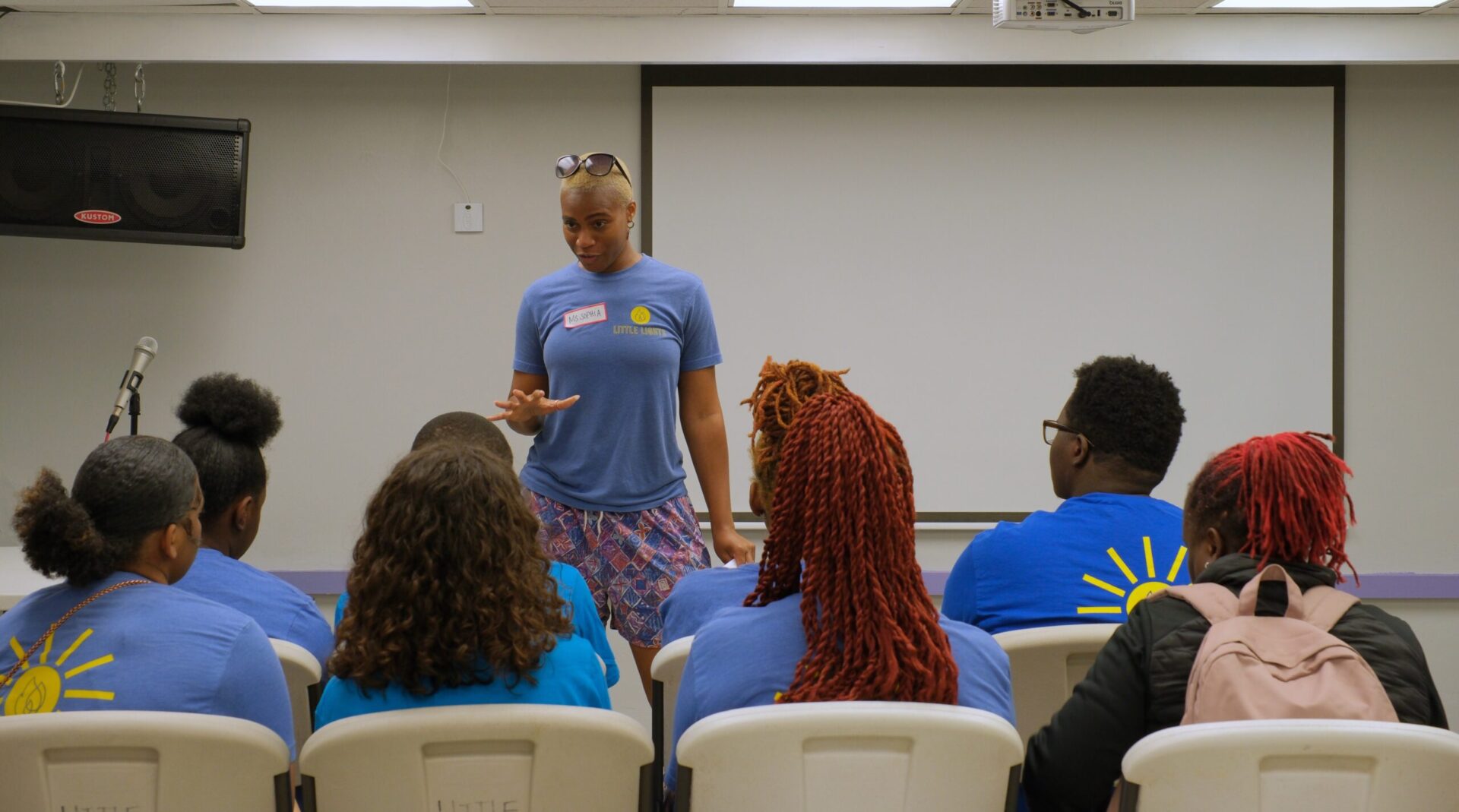
Over hot dogs and soda, residents of Potomac Gardens and surrounding neighborhoods were able to express their concerns to one another and the District, and together search for solutions. Through this process of discernment, the District realized they couldn’t solve the problems alone but rather needed to partner with others who had already been faithfully serving these communities. Trusted nonprofits were allowed to rent space for free within public housing centers, including Potomac Gardens, to offer valuable services for youth and families. One of those nonprofits recognized was Little Lights, which had been providing services to Potomac Gardens alongside churches and other nonprofits for over a decade before the District got involved. Recently, the Center for Public Justice sat down with Little Lights Executive Director Steve Park to learn more about their work for our series Better Together, a storytelling series of how faith-based organizations have partnered with government to see their communities flourish.

Little Lights was founded by Steve Park in 1995 with the mission to “empower underserved youth, families, and communities in Washington DC by sharing the hope of Christ through compassionate action, caring relationships, and racial reconciliation.” Interestingly, Park did not grow up as a Christian and considered himself a devout atheist in his early years. And yet, Park had a dramatic encounter with Jesus and was struck by the call of the Gospel to show love and compassion to those at the margins of society. “God’s heart is with the vulnerable,” says Park. With this calling, Little Lights was born.
The work of Little Lights first began with tutoring and Bible study in a Tae Kwon Do studio owned by Park’s parents. Over time, in part because of those potlucks in 2008, it became oriented around three public housing centers: Benning Terrace, Hopkins, and Potomac Gardens.
Focused within public housing communities, Little Lights offers a wide range of services including: youth development programs, college and career support, family and economic empowerment opportunities, anti-racism training, and a landscaping social enterprise.
Some of Little Lights’ most beloved and effective programs are their after-school programming, including mentoring and tutoring programs for K-8 students as well as college and career support for High School and College students. In partnership with the Learn24 Network, an initiative started in 2017 by D.C. Mayor Bowser to provide high quality out-of-school-time programming, Little Lights offers an array of afterschool programs to serve kids in those crucial hours between when the bell rings and when their parents return home from work.
Park has countless stories of students who were part of these after-school programs and, with love, help and support, are now pursuing their dreams and earning college degrees they never thought possible. You can listen to some of these incredible stories through three short films Little Lights produced: Dream Big, Lasting Impact, Rising Leaders, and Hope in the City. Much of the work with these students is not only in tutoring and homework, but mentoring and helping them navigate the complex systems of applying for college, filling out financial aid applications, and preparing for entrance exams.

Excitingly, the work of Little Lights is expanding to not only serve in public housing centers but also launch a center of their own to serve Ward 7 and beyond: The Jubilee Center. There will be a special ribbon cutting ceremony on September 27, 2025 to celebrate this milestone. The name Jubilee carries with it rich biblical imagery where those enslaved were set free, those under economic oppression or debt were liberated, and together the community celebrated all of God’s provision and care especially for the most vulnerable: the orphan, widow, immigrant, and the poor. Jesus himself uses the language of Jubilee to describe the coming of his Kingdom (Luke 4:18-19) and Park hopes that this new center will embody this vision and continue the work long into the future.
Next month will mark 30 years of Little Lights’ faithful presence in the nation’s capital. In an environment where many service providers working within public housing come and go, Little Lights has been a steady presence of not only serving the community alongside government but doing it with excellence. In reflecting on the work over the last several decades, Park said: “We want to show excellence in what we do. We are not perfect, we will make mistakes, but we are dedicated to doing things well, not just in our programs but in our administration, making sure we are complying with laws, financial audits, while also holding onto our values.”

As our conversation with Park came to an end, we asked him what advice or wisdom he would give to other faith-based nonprofits seeking to be good news to their city and also wanting to partner with government. After a short pause, he recommended,
“To be a good listener, to the community and to God, to practice humility, to be teachable, to remember I am not here to save anybody or to save the city, but I am here to serve and show the love of Christ.”
In late October, Little Lights will host its annual benefit banquet. It will be a time to celebrate and remember all that God has done these past 30 years. And this banquet will be a small glimpse, a little light into the greater banquet yet to come with Christ’s return.
Or maybe this coming feast with Christ will be more like a potluck, with people from every place and nation bringing food to share, not to solve problems but simply to tell stories of justice, beauty, goodness, and love unfolding in their midst.
Charlie Meo is the Director of Faith-Based Leaders Alliance at the Center for Public Justice.
Featured photo by Little Lights.